Why Are My Nails Peeling and What Can I Do About It?
If you've ever looked down at your hands and noticed your nails splitting into thin, papery layers, you're definitely not alone. Peeling nails are one of the most common nail concerns women ask about, and one of the most frustrating. The good news is that peeling nails are almost always manageable once you understand what's causing them. In this post, we're breaking down the most common reasons why nails peel and sharing practical steps you can take to get your nails looking and feeling healthy again.
What Causes Nails to Peel? The Most Common Culprits
Understanding why your nails are peeling is the first step toward fixing the problem. Most peeling nails come down to a handful of everyday causes: none of which are unusual or alarming on their own.
Moisture Imbalance
Your nails expand and contract slightly with changes in moisture: think frequent hand washing, dishwater, or swimming. According to dermatology research, nails can absorb up to 1,000 times more water than skin, which means repeated wet-dry cycles are one of the leading contributors to peeling and splitting. When nails absorb water and then dry out repeatedly, the layers of the nail plate begin to separate. This is why so many people notice peeling nails during winter months or after a summer of pool time.
Nutritional Deficiencies
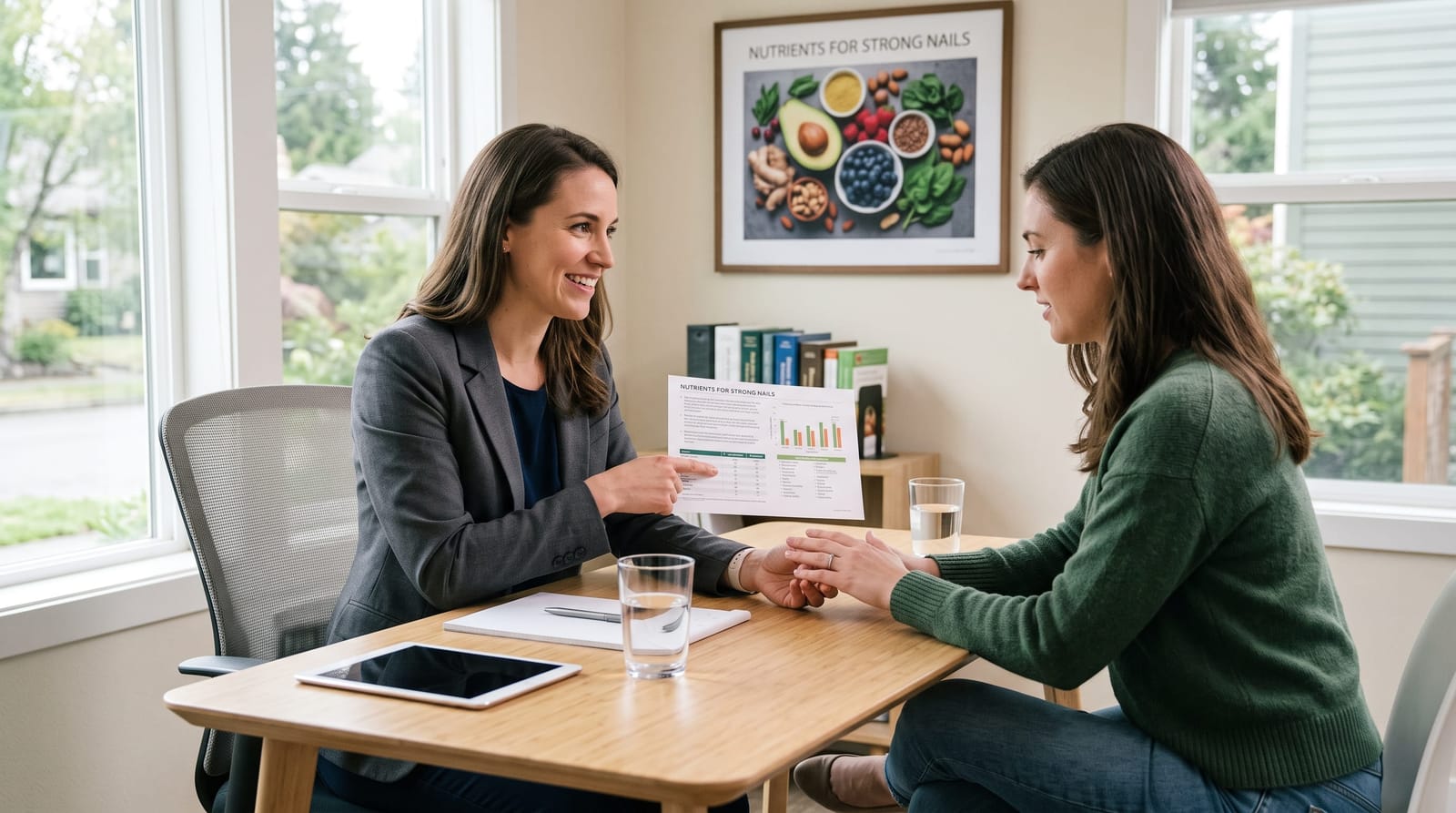
What you eat shows up in your nails more than you might think. Low levels of iron, biotin, zinc, and vitamins B12 and D have all been linked to brittle, peeling nails. Studies suggest that biotin deficiency affects an estimated 38% of women who report nail brittleness. While a blood test from your doctor is the best way to identify any deficiencies, it's worth looking at your overall diet if peeling has been an ongoing issue.
Chemical Exposure
Harsh cleaning products, acetone-based nail polish removers, and even some hand sanitizers strip nails of their natural moisture and protective oils. People who work in healthcare, food service, or cleaning, where hands are frequently exposed to chemicals or water, often experience peeling nails at higher rates than the general population. Even at home, regular use of acetone remover without moisturizing afterward can cause significant dryness and surface peeling over time.
Over-Filing and Incorrect Nail Care Habits
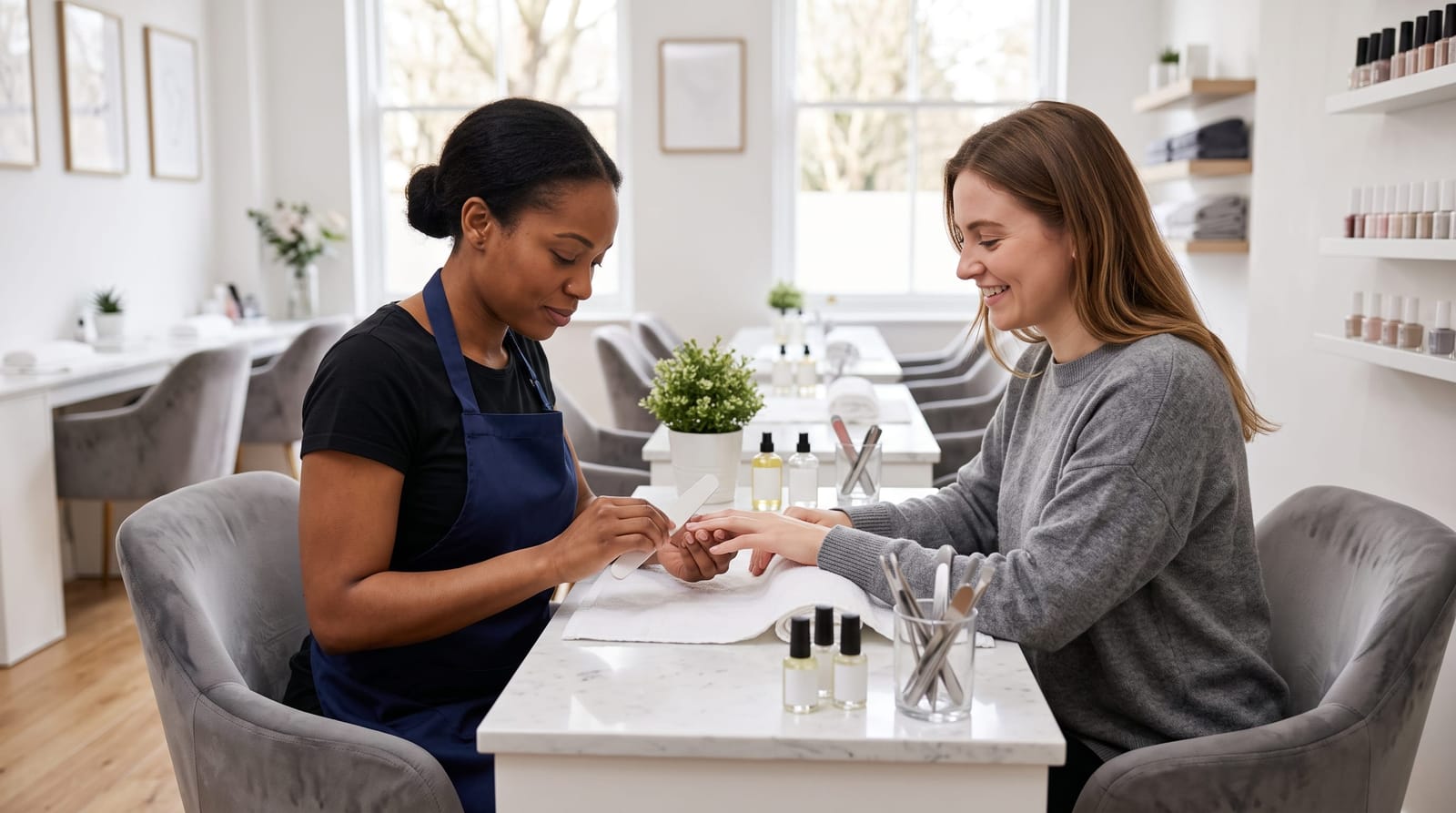
How you file your nails matters a lot. Sawing back and forth with a coarse file creates friction that separates the nail layers and causes peeling at the tips. Nails should always be filed in one direction with a fine-grit file, shaped gently into a soft curve rather than filed into sharp corners or points. This technique helps prevent snags and edge damage that contribute to peeling and breakage.
How to Treat Peeling Nails at Home
The right daily habits make a real difference when it comes to why nails peel and how quickly they recover. Here's where to start:
- Moisturize consistently. Apply cuticle oil at least once daily, focusing on the nail plate and surrounding skin. Ingredients like jojoba oil, vitamin E, and almond oil absorb well and help restore flexibility to dry, peeling nails. Research suggests that regular cuticle oil use can noticeably improve nail hydration within as few as two to four weeks.
- Wear gloves for cleaning. Protect your nails from dish soap, bleach, and household cleaners by keeping a pair of rubber gloves handy. This simple step dramatically reduces chemical exposure that strips your nail's natural moisture barrier.
- Switch to a gentler nail remover. Look for acetone-free formulas or use acetone sparingly, and always follow up with a hydrating cuticle oil or hand cream afterward.
- Stay hydrated. Drinking enough water supports skin and nail health from the inside out. Most adults need around 8 cups per day, but lifestyle and climate affect individual needs, especially here in the inland Pacific Northwest, where dry winters can quietly dehydrate your skin and nails faster than you'd expect.
- Review your diet. Adding foods rich in biotin (eggs, nuts, salmon), iron (leafy greens, beans), and zinc (whole grains, pumpkin seeds) can support stronger nail growth over time. If you're concerned about deficiencies, a conversation with your doctor is always a smart first step.
How a Protective Nail Service Can Help Peeling Nails
Sometimes, lifestyle changes alone take time to show results, and in the meantime, your nails remain vulnerable to snagging, breaking, and further peeling. This is where a professional nail service can give you a real head start.
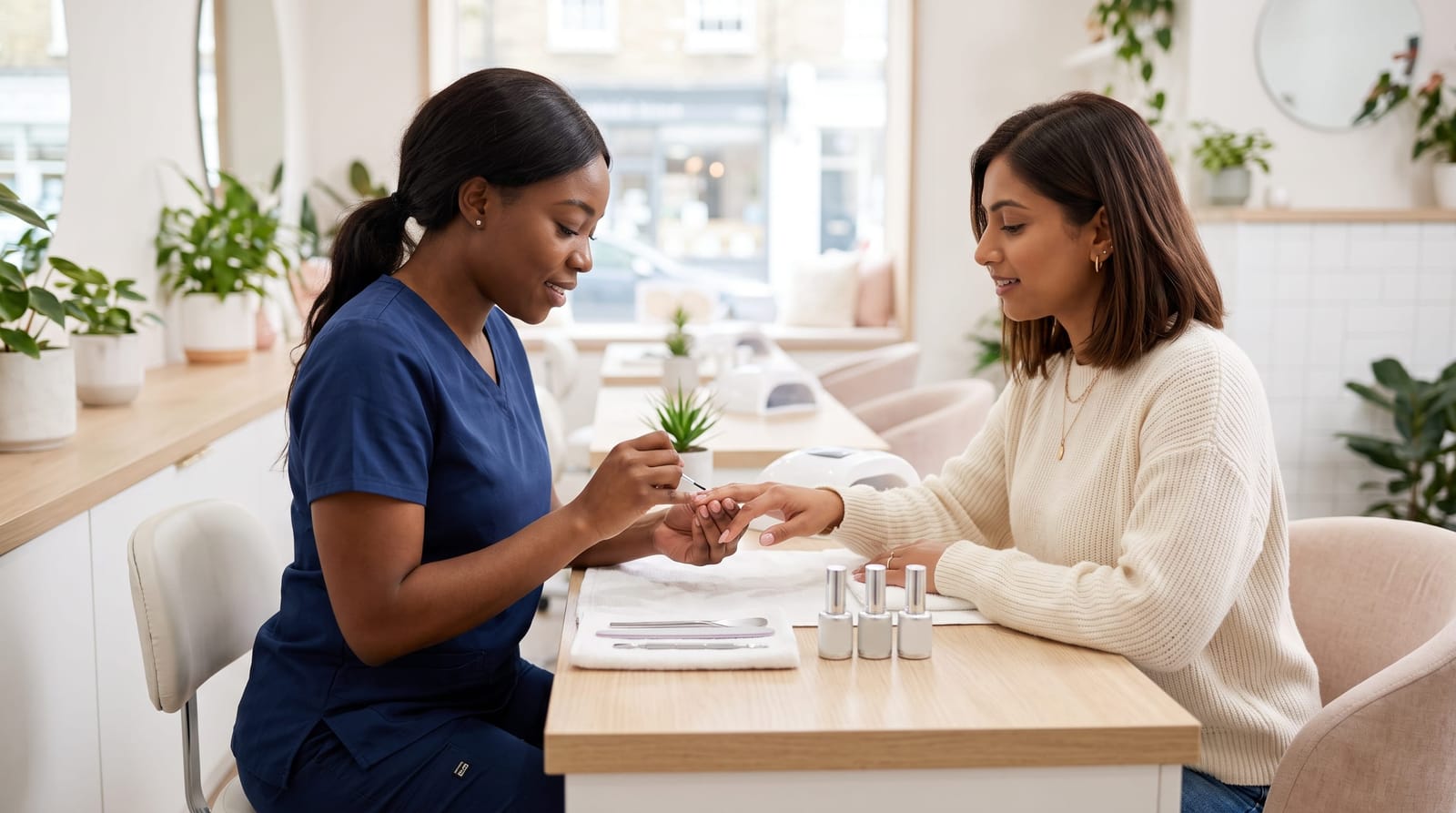
At NailzByDelz, one of the most popular options for clients dealing with peeling or weak nails is the Gel Hard Overlay. A Gel Hard Overlay is applied directly over your natural nail without adding artificial length. It creates a smooth, protective layer that shields the nail from the moisture fluctuations and everyday wear that cause peeling in the first place, while still allowing your natural nail to grow underneath.
Unlike heavy acrylic extensions, a Gel Hard Overlay feels light and natural, and it gives fragile nails a chance to recover without the temptation to pick or peel. Many clients notice a real improvement in the condition of their natural nails after consistent wear over several fill appointments, simply because the nails are finally protected long enough to grow out healthy.
If you're newer to nail services and wondering what kind of maintenance commitment looks like for different ages and lifestyles, our upcoming post on how often teenagers should get their nails done covers nail care frequency in a helpful, practical way.
When to Check In with a Doctor
While peeling nails are very commonly caused by the everyday factors we've covered, it's always worth checking in with a healthcare provider if peeling is severe, persistent, or accompanied by other changes like unusual nail color, pain, or texture changes. A doctor or dermatologist can rule out underlying health concerns and provide personalized guidance. Nail care and nail services are a wonderful complement to healthy habits, but they're not a substitute for medical advice when something feels off.
Frequently Asked Questions About Peeling Nails
How long does it take for peeling nails to get better?
With consistent moisturizing, protective habits, and dietary support, many people notice improvement in nail texture and strength within four to eight weeks. Because nails grow slowly, approximately 3 to 4 millimeters per month on average, full recovery can take three to six months depending on the severity of peeling and how consistently you follow a nail care routine.
Can nail polish make peeling nails worse?
It depends on the formula and your habits around removal. Some nail polishes contain ingredients like formaldehyde or toluene that can dry nails out over time. Using a nourishing base coat and removing polish gently with a non-acetone remover helps minimize any potential drying effects. Keeping nails polished can also act as a light barrier against everyday moisture changes.
Is it okay to peel off gel nails at home?
Peeling or picking off gel polish at home is one of the most common causes of sudden, severe nail peeling. When gel is forcibly removed, it takes layers of the natural nail with it. Always have gel removed properly by a professional, or follow a safe soak-off process at home using foil and acetone, and be patient with the process. For nails recovering after removal, see our guide on how to grow nails after removing enhancements, or follow a safe soak-off process at home using foil and acetone, and be patient with the process.
Why are my nails peeling even though I drink a lot of water?
Hydration is important, but it's only one piece of the puzzle. If your nails are still peeling despite staying well hydrated, consider other factors: chemical exposure, filing habits, nutritional gaps, or product sensitivity. Sometimes peeling nails stem from a combination of causes, which is why a well-rounded approach tends to work better than focusing on just one fix.
The Bottom Line on Peeling Nails
Peeling nails are incredibly common, and in most cases, they respond really well to simple, consistent care. Understanding why your nails are peeling, whether it's moisture loss, nutrition, chemical exposure, or filing habits, puts you in a much better position to address the root cause rather than just the surface problem. Pair those daily habits with a protective service like a Gel Hard Overlay at NailzByDelz, and you give your nails the support they need to grow out strong and healthy. For a deeper dive into overall nail wellness, explore our complete nail health and care guide: it's a great resource for building a routine that actually works.